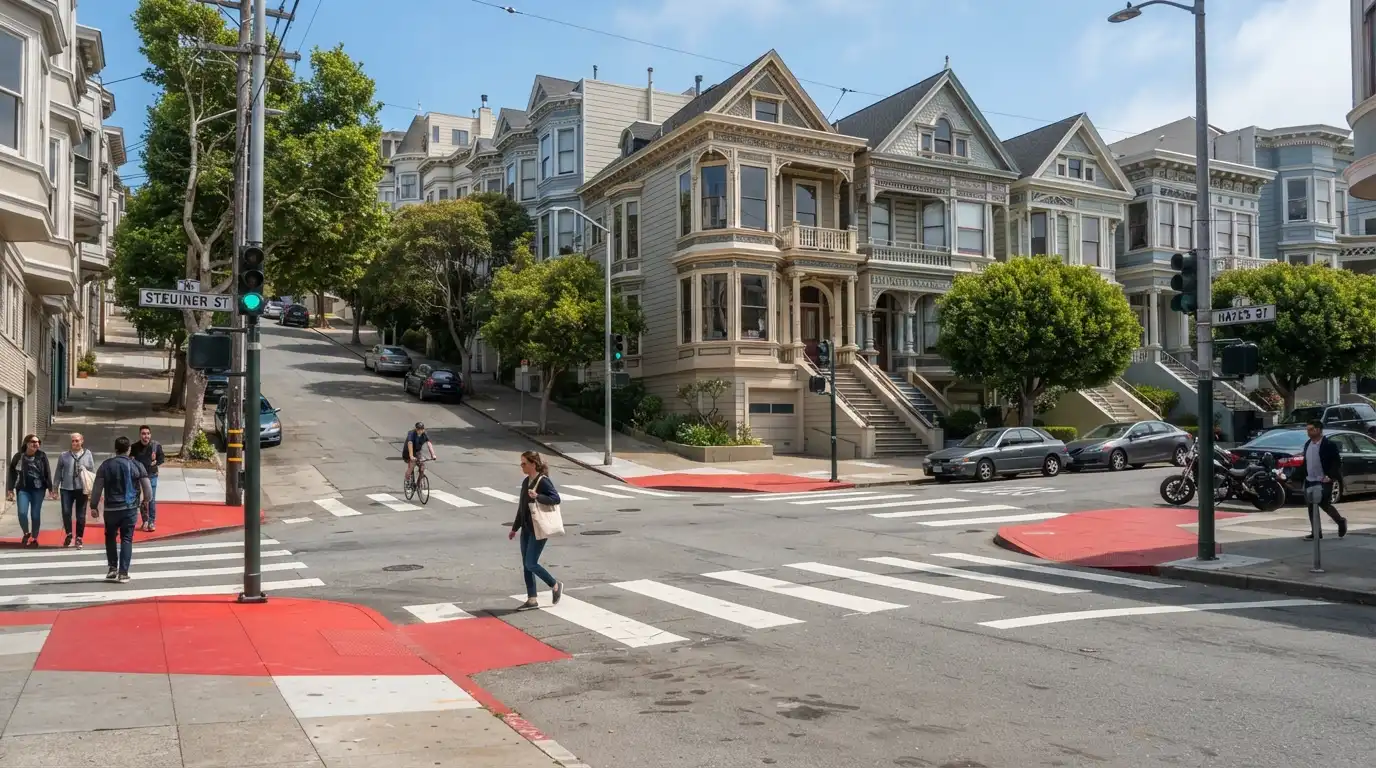
Intersections across San Francisco have long represented ground zero for severe traffic collisions. From dense residential neighborhoods in the Mission District and Sunset to high-volume commercial corridors in SoMa and Downtown, drivers, pedestrians, and cyclists constantly share tight urban spaces. In response to persistent traffic violence, local and state authorities have rolled out major infrastructure initiatives aimed at transforming street safety across the city’s High-Injury Network.
Two major policy shifts are reshaping San Francisco streets: California’s state-wide “daylighting” law (AB 413) and the introduction of automated speed safety enforcement cameras by the SFMTA Vision Zero Initiative. While these measures aim to reduce severe crashes, they also fundamentally change how fault, negligence, and liability are evaluated following a car accident in San Francisco. Understanding these updates is crucial for anyone navigating a personal injury claim.
San Francisco’s Shifting Traffic Safety Landscape
Intersection collisions account for a disproportionate number of severe injuries and fatalities in San Francisco. Poor sightlines caused by parked vehicles near crosswalks and excessive speeds along wide arterial streets have consistently created hazardous conditions for local drivers and pedestrians.
To combat these dangers, local traffic engineers and state lawmakers have shifted focus from passive enforcement to physical road design and automated monitoring technology. The implementation of strict intersection visibility rules and targeted speed monitoring cameras represents the most significant overhaul of local traffic safety protocols in recent years.
How California’s “Daylighting” Law (AB 413) Impacts Accident Fault
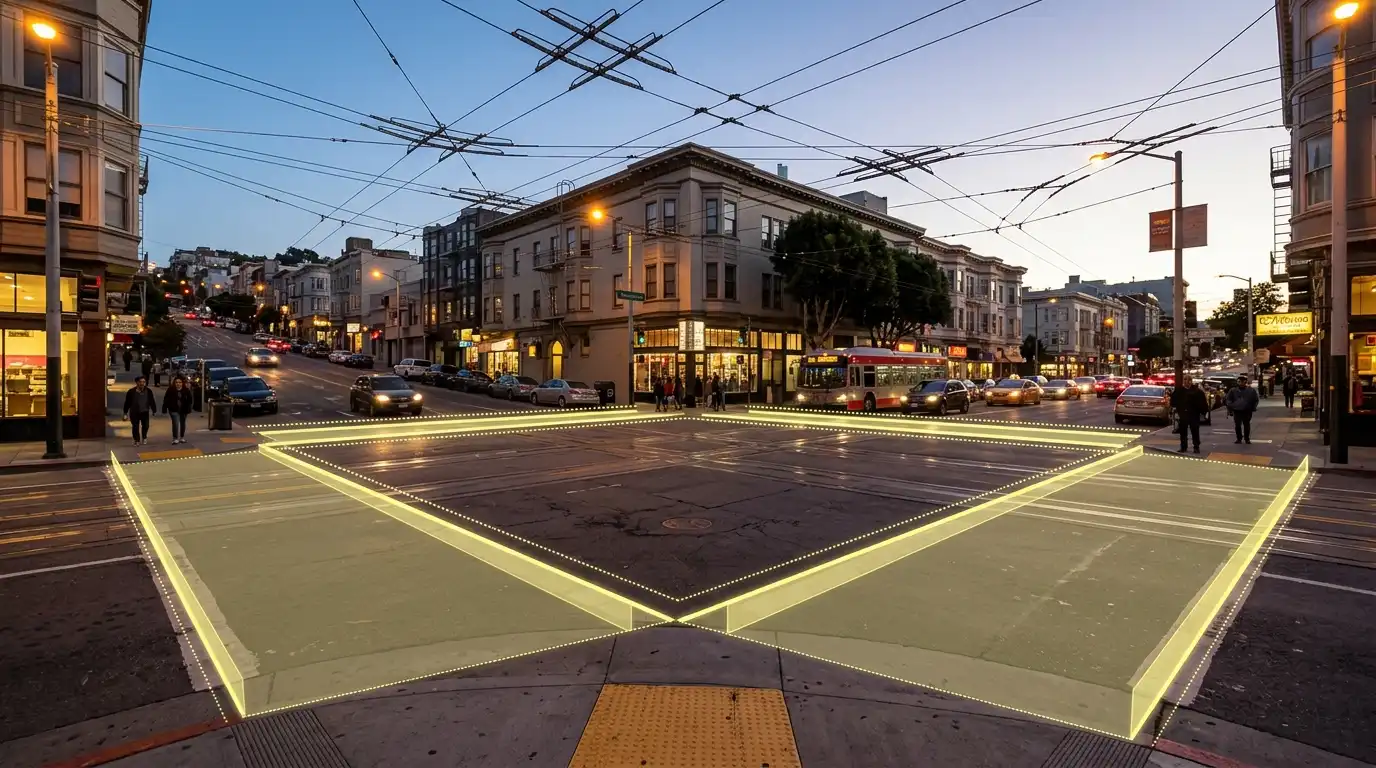
Under California Assembly Bill 413, commonly referred to as the “Daylighting Law,” drivers are strictly prohibited from stopping, standing, or parking any vehicle within 20 feet of any marked or unmarked crosswalk—or within 15 feet of a crosswalk where a curb extension is present. The goal is straightforward: clear sightlines so approaching drivers can see pedestrians stepping off the curb, and pedestrians can clearly observe oncoming traffic.
In the context of a personal injury claim, daylighting violations play a major role in determining liability under California comparative negligence rules:
- Establishing Negligence Per Se: If a driver park illegally within a designated 20-foot daylighting zone and blocks the line of sight, contributing to a vehicle-pedestrian or T-bone collision, that driver or vehicle owner may be held liable under the doctrine of negligence per se for violating a safety statute.
- Third-Party Liability in Intersection Crashes: In complex collisions where an oncoming driver claims they could not see an approaching car or pedestrian due to an illegally parked delivery van or passenger vehicle, insurance adjusters and legal teams must evaluate whether the illegally parked vehicle shares fault for creating a hazardous visual obstruction.
- Impact on Left-Turn and Blind-Spot Accidents: Drivers turning left at high-density intersections in neighborhoods like the Richmond or Haight-Ashbury often face blocked sightlines from large vehicles parked too close to the corner. Establishing that a daylighting violation created a blind zone can be vital in proving why a driver was unable to avoid an incoming hazard.
Automated Speed Safety Cameras & Evidence Collection
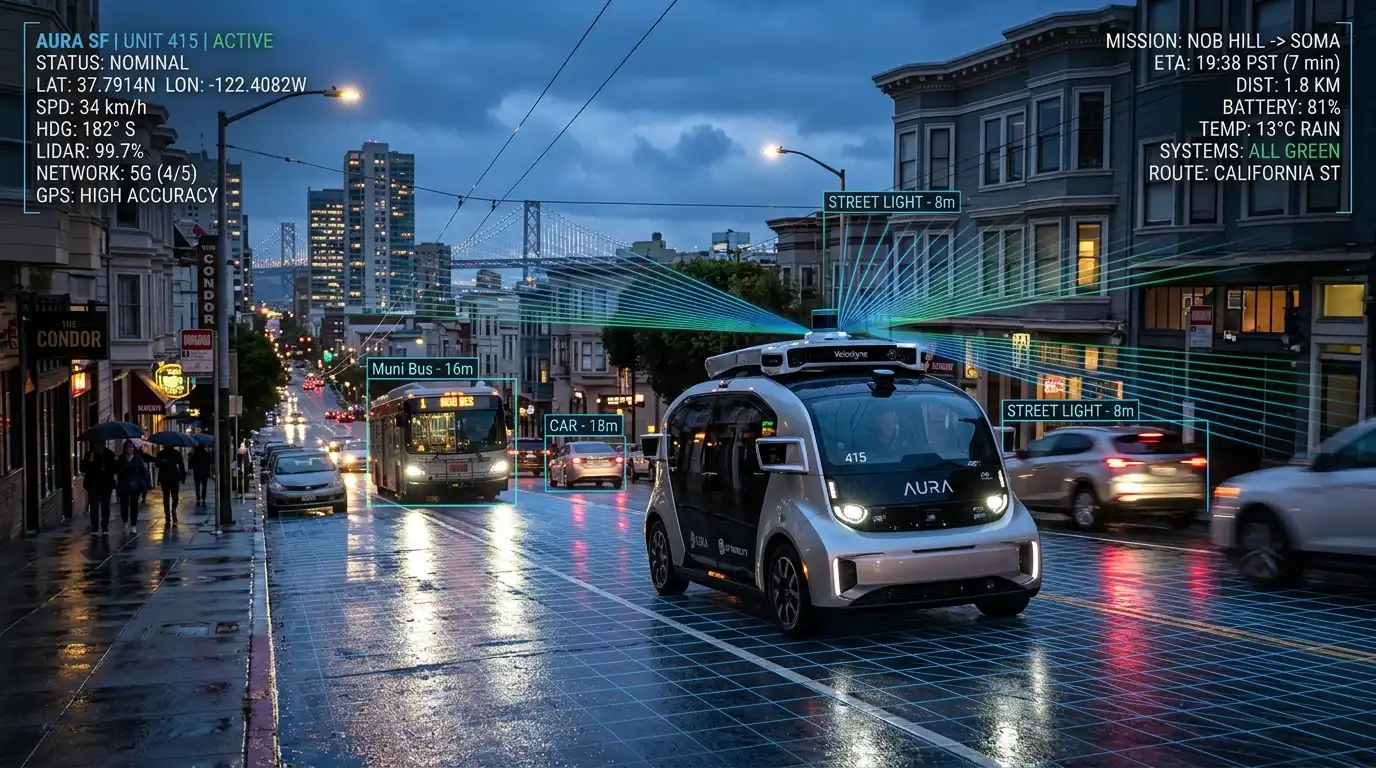
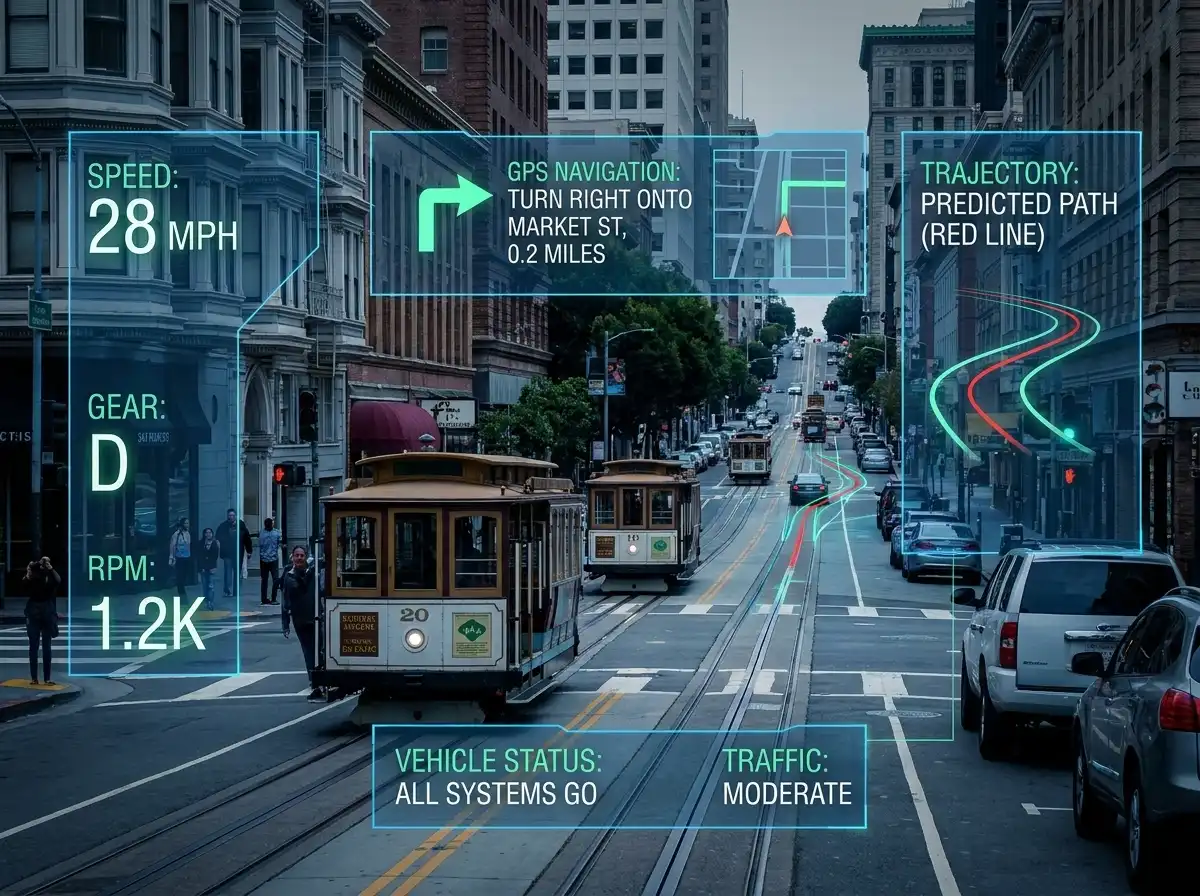
Alongside daylighting enforcement, San Francisco is deploying automated speed safety cameras across high-risk corridors including Geary Boulevard, Van Ness Avenue, Mission Street, and San Jose Avenue. These automated systems capture vehicle speed data and license plate images when drivers exceed posted speed limits.
Beyond issuing traffic citations, automated speed enforcement technology creates critical objective evidence for victims seeking compensation after a crash:
1. Defeated “Word vs. Word” Disputes
Speed is a primary factor in the severity of intersection collisions. In many personal injury cases, at-fault drivers claim they were traveling at the legal speed limit prior to impact. Speed camera records, city telematics, and nearby traffic surveillance footage provide objective, timestamped proof of a vehicle’s exact velocity immediately prior to a collision.
2. Subpoenaing City Traffic Data
An experienced San Francisco car accident lawyer can file formal evidentiary requests and subpoenas to obtain speed camera data, traffic signal timing logs, and municipal camera footage. Securing this digital evidence before it is overwritten is essential for establishing clear liability in disputed liability cases.
Steps to Take After an Intersection Collision in San Francisco
If you are involved in an intersection crash anywhere in San Francisco, taking immediate, structured action helps protect your physical recovery and legal rights:
- Contact Emergency Services & Request SFPD: Call 911 immediately. Ensure that paramedics evaluate all injured parties and insist on an official police report from the San Francisco Police Department (SFPD) to document driver statements, physical evidence, and roadway conditions.
- Photograph Sightlines and Nearby Vehicles: Capture high-resolution photos of the entire intersection from multiple angles. Pay close attention to nearby parked vehicles near the crosswalk that may have violated daylighting zones, as well as traffic control signs, signal lights, and road markings.
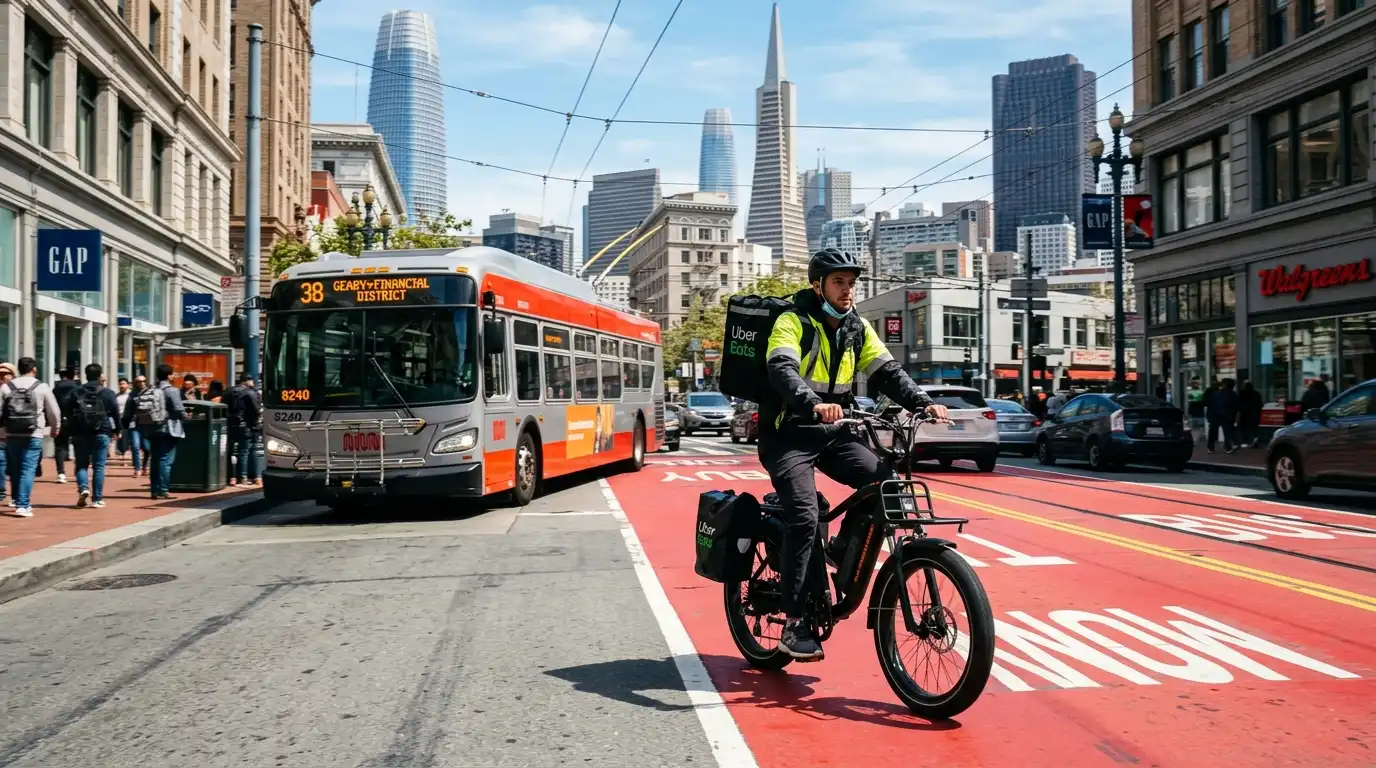
- Look for Speed Cameras and Business Surveillance: Note whether the crash occurred near an automated speed camera, a Muni transit bus equipped with onboard cameras, or local storefronts with external security cameras pointing toward the intersection.
- Seek Prompt Medical Evaluation: High-impact intersection collisions frequently cause traumatic brain injuries, neck strain, spinal disc injuries, and soft tissue damage that may not manifest immediately. Documenting your injuries with a qualified medical professional right away is essential for both your health and your legal claim.
- Consult an Experienced Local Injury Attorney: Dealing with aggressive insurance adjusters, comparative fault allegations, and municipal traffic regulations requires specialized legal expertise. Working with a law firm that understands San Francisco’s specific road configurations and traffic laws ensures your claim is thoroughly investigated and fully valued.
Protecting Your Legal Rights in San Francisco
As San Francisco continues to update its urban infrastructure with daylighting requirements and automated speed monitoring, the legal landscape surrounding car accident claims grows more complex. Identifying statutory violations, securing digital traffic evidence, and establishing clear liability are vital steps in obtaining full financial recovery for medical expenses, lost income, and pain and suffering.
If you or a family member has been injured in a car crash at a San Francisco intersection, do not face the insurance companies alone. Contact our dedicated San Francisco car accident legal team today for a free, no-obligation legal consultation to review your rights and options.