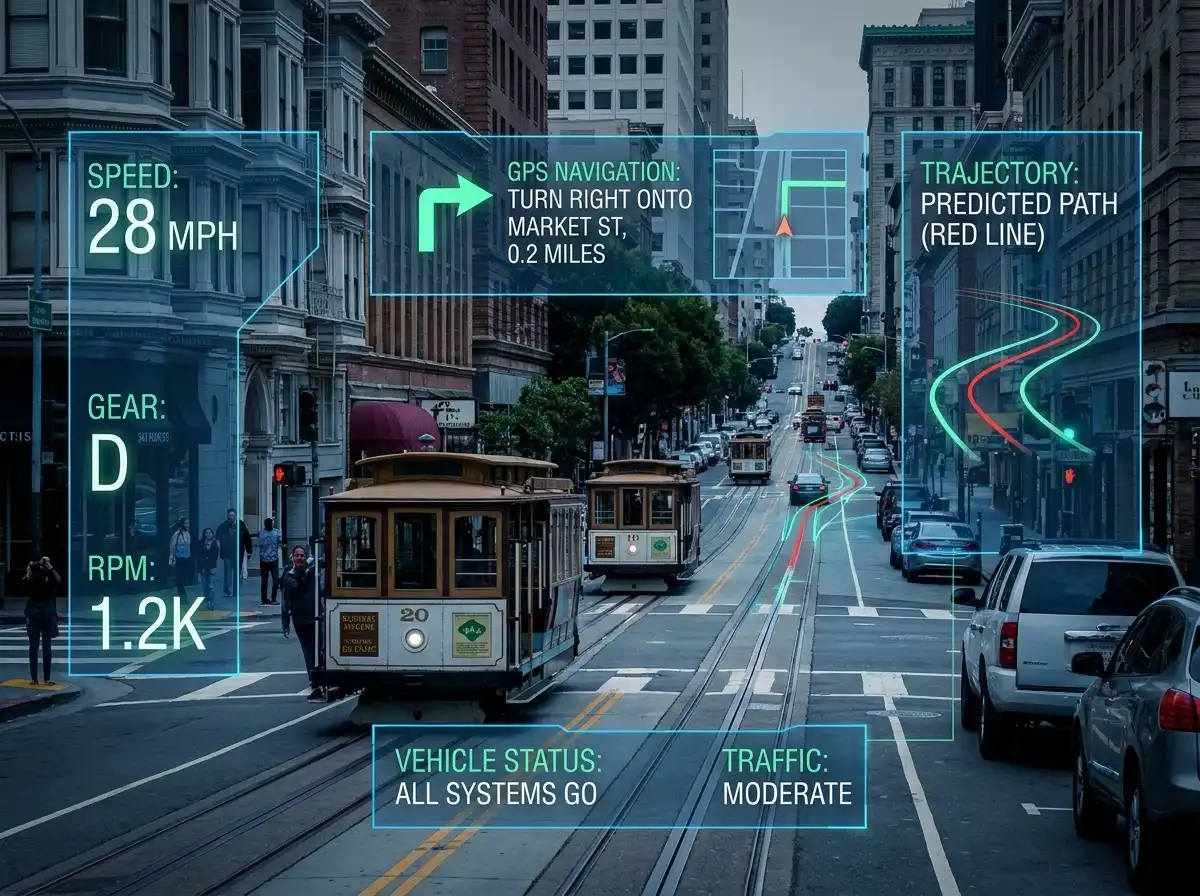
If you have been involved in a car accident in San Francisco, the path to fair compensation has evolved. While the fundamental principles of California accident law remain—proving negligence, causation, and damages—the way we prove fault has shifted dramatically. In 2026, it is no longer just about police reports, witness statements, and fuzzy photos of bumper damage. We have entered the era of the “Evidence Revolution,” where algorithms and data points often carry more weight than human memory.
The New Standard of Proof: Beyond the Eyewitness
 For decades, liability in San Francisco accident claims was determined by what people saw or claimed to have seen. However, human memory is notoriously fallible, especially under the trauma of a crash. Today, digital evidence is increasingly the deciding factor in our cases.
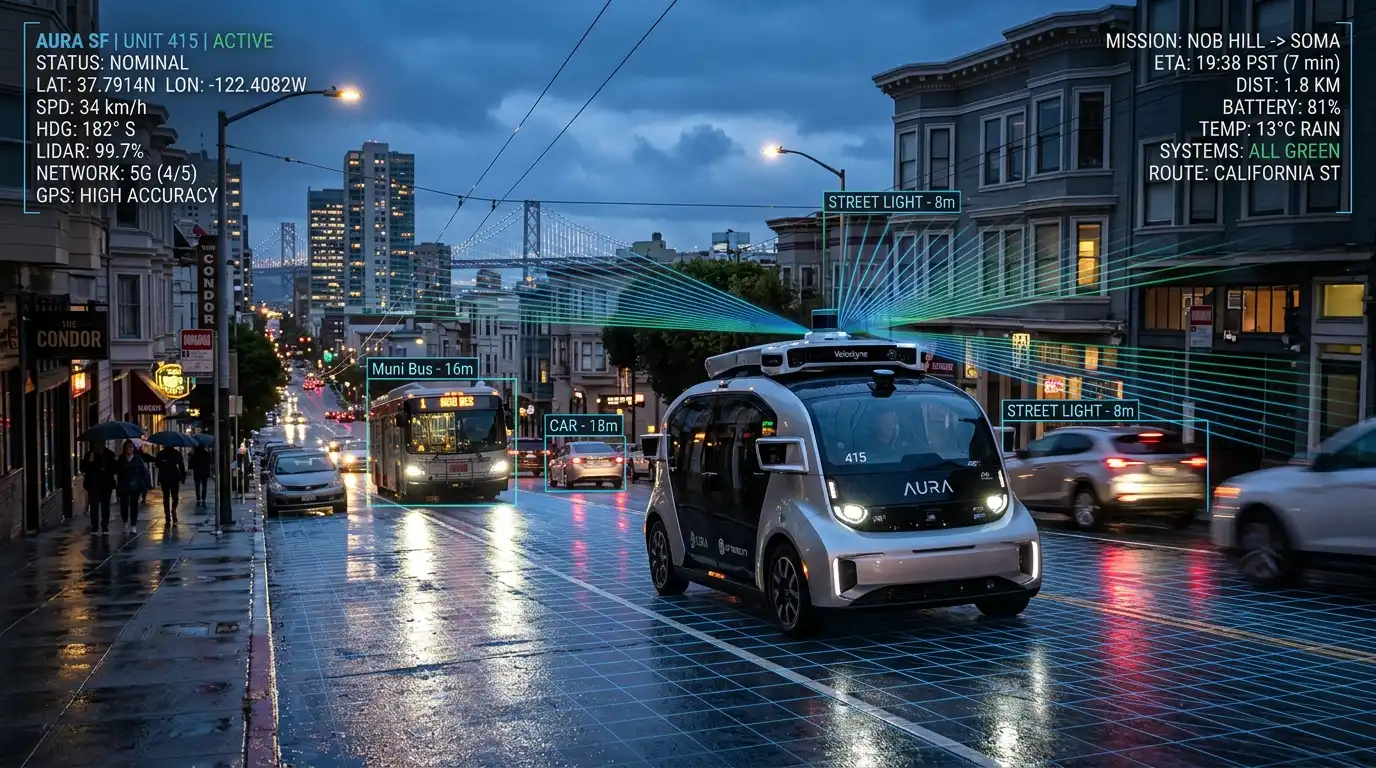
The ubiquity of sensor-laden vehicles and smart infrastructure means that almost every collision leaves a digital footprint. We are seeing claims won or lost based on three specific pillars of modern technology:
1. AI-Powered Dashcams and Surround Cameras
Modern dashcams do more than record video; they track speed, G-force, and even lane position. If the at-fault driver had a smart camera system, that data is highly discoverable. We can now present data-backed proof that a driver was actively distracted, swerving, or braking too late, stripping away the “he-said, she-said” defense that insurance companies rely on to delay payouts.
2. Vehicle Telematics & EDR (Event Data Recorders)
Most vehicles on the road today are equipped with EDRs—the automotive equivalent of an airplane’s “black box.” This data can be retrieved to show exactly when a driver hit the brakes or accelerated milliseconds before a crash. When clients come to us with complex injuries, this data is vital to proving the severity of the impact, which in turn justifies higher compensation for medical expenses and pain and suffering.
3. AI Accident Reconstruction
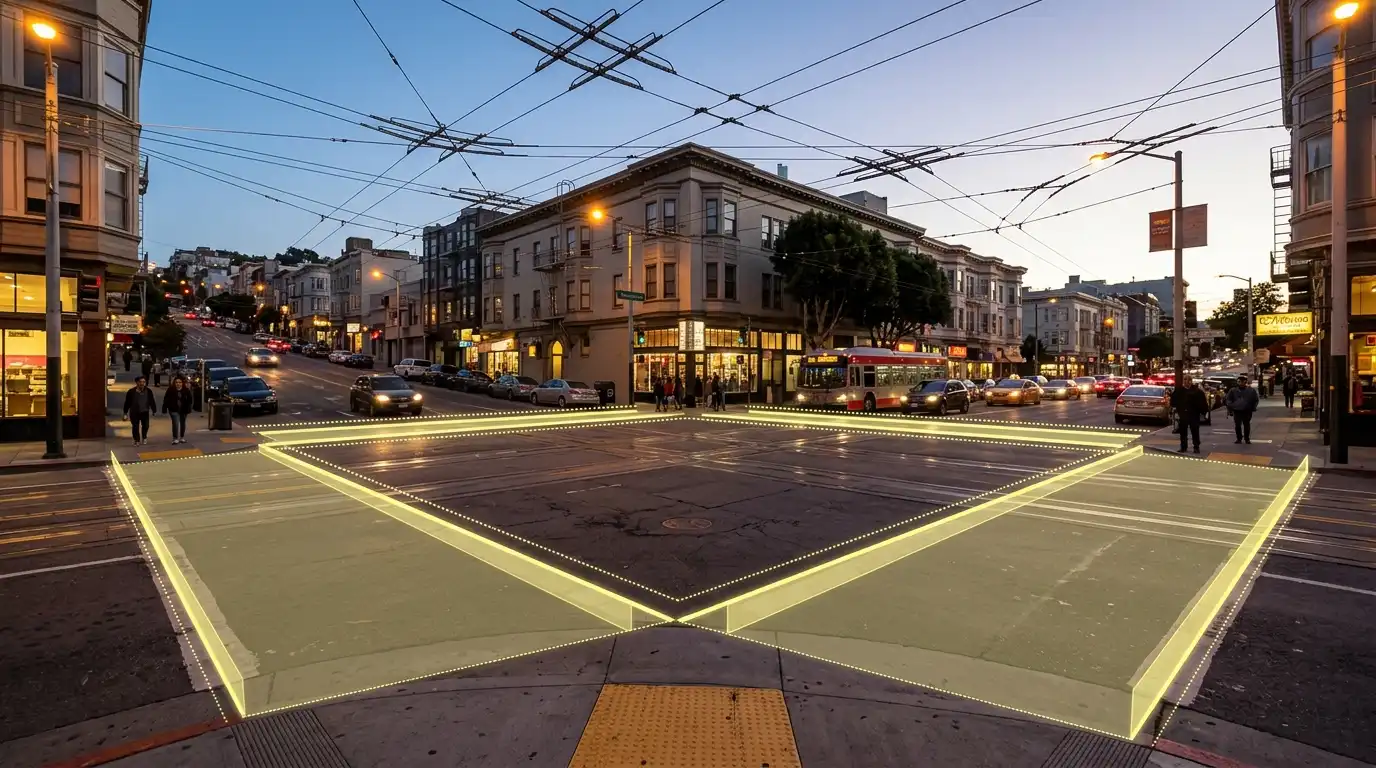
We now utilize advanced 3D reconstruction software. By ingesting LiDAR scans of San Francisco intersections, traffic camera footage, and localized weather data, we can create a high-fidelity model of exactly how an accident occurred. This allows us to present a compelling visual narrative to insurance adjusters or juries, leaving little room for doubt regarding who was at fault.
How Insurance Companies Use AI Against You
It is crucial to be aware that insurance companies are also upgrading their technology. In 2026, the claims adjustment process is increasingly handled by AI-driven predictive analytics. These algorithms evaluate bodily injury claims by looking for patterns and inconsistencies.
These systems often scan your medical records, police reports, and even social media activity to flag your claim for lower settlement offers or litigation. If you provide a recorded statement to an insurance adjuster immediately after an accident, their AI tools may be analyzing your word choice, hesitations, and tone to find inconsistencies that can be used to minimize your claim. This is why you should never provide a recorded statement without first speaking to an experienced attorney.
The Intersection of Technology and Legislation
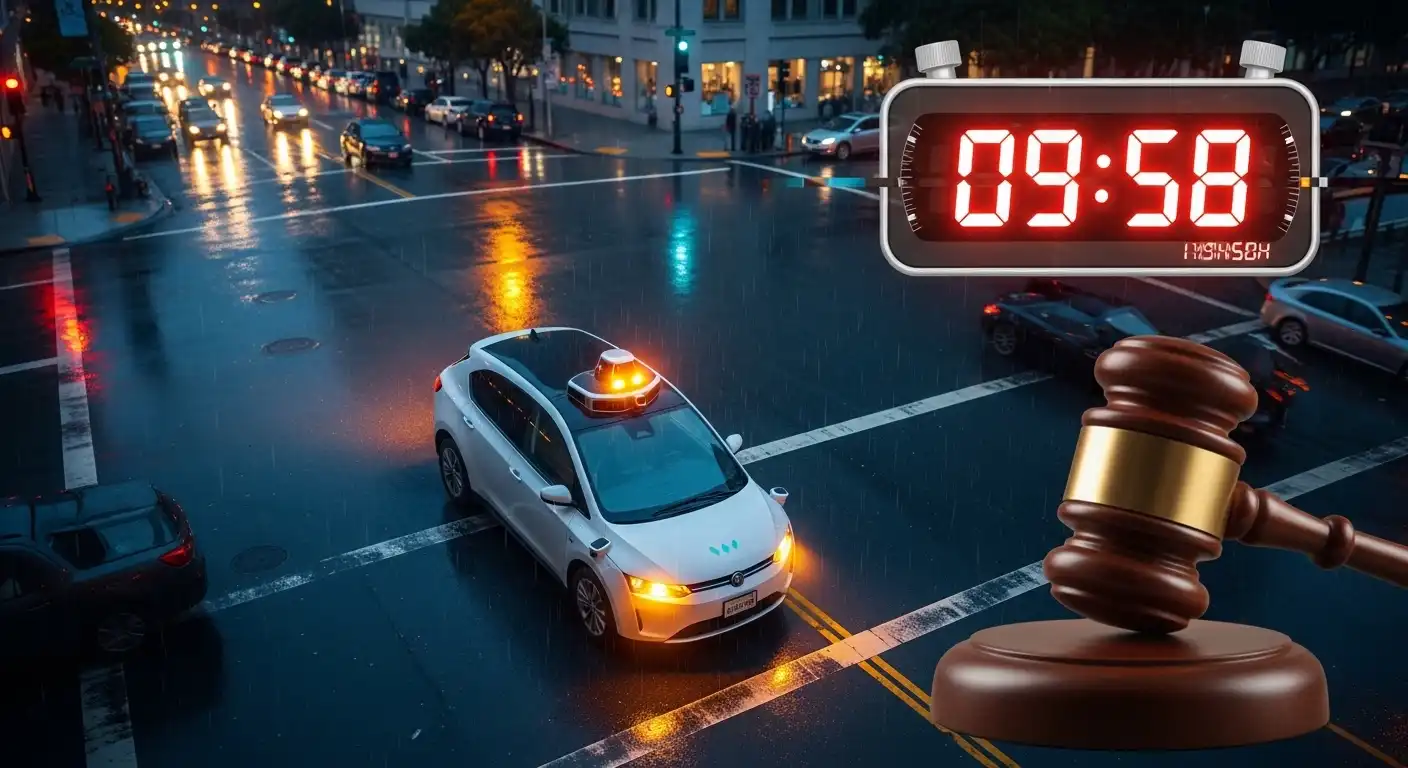
San Francisco is at the forefront of this shift, partly due to the rapid integration of autonomous and semi-autonomous vehicle technology. We are currently seeing the implications of new regulations on the road. Understanding how the law interacts with these technical advancements is a must for any driver in the city. For a deeper dive into the legislative side, see our previous analysis on The 10-Minute Rule and Autonomous Vehicle Claims, which highlights how the legal framework is struggling—and succeeding—to catch up with tech.
Protecting Your Claim in a Digital World
 If you are injured in an accident, your actions in the first few hours are more critical than ever. To ensure you have the evidence needed to win your case, follow these steps:
- Preserve Digital Evidence: If you have a dashcam, back up the footage immediately to a cloud service. Do not wait for the camera to loop and overwrite the evidence.
- Document the Infrastructure: Use your phone to capture not just the vehicles, but the surrounding intersection, including traffic cameras, business security cameras, and smart-city sensors that might have recorded the event.
- Don’t Delete Anything: Be mindful of your social media usage. Insurance AI monitors your profiles for any activity that contradicts the injury claims you have made.
- Seek Professional Guidance: Because AI and data-driven evidence are now central to litigation, you need a legal team that understands how to request, preserve, and interpret these complex digital files during the discovery phase.
Conclusion: Knowledge is Your Best Defense
The technology landscape of 2026 is changing, but your right to fair compensation remains. You do not have to navigate the complexities of AI-influenced insurance adjustments alone. Whether you are dealing with a standard car accident or a complex incident involving new vehicle technology, having a skilled legal partner by your side can make all the difference.
Our team is committed to leveraging the latest digital evidence to maximize your settlement and ensure you get the care you deserve. If you’ve been injured, don’t let insurance algorithms dictate your recovery. Contact us today for a free consultation to discuss how we can put modern technology to work for your case.