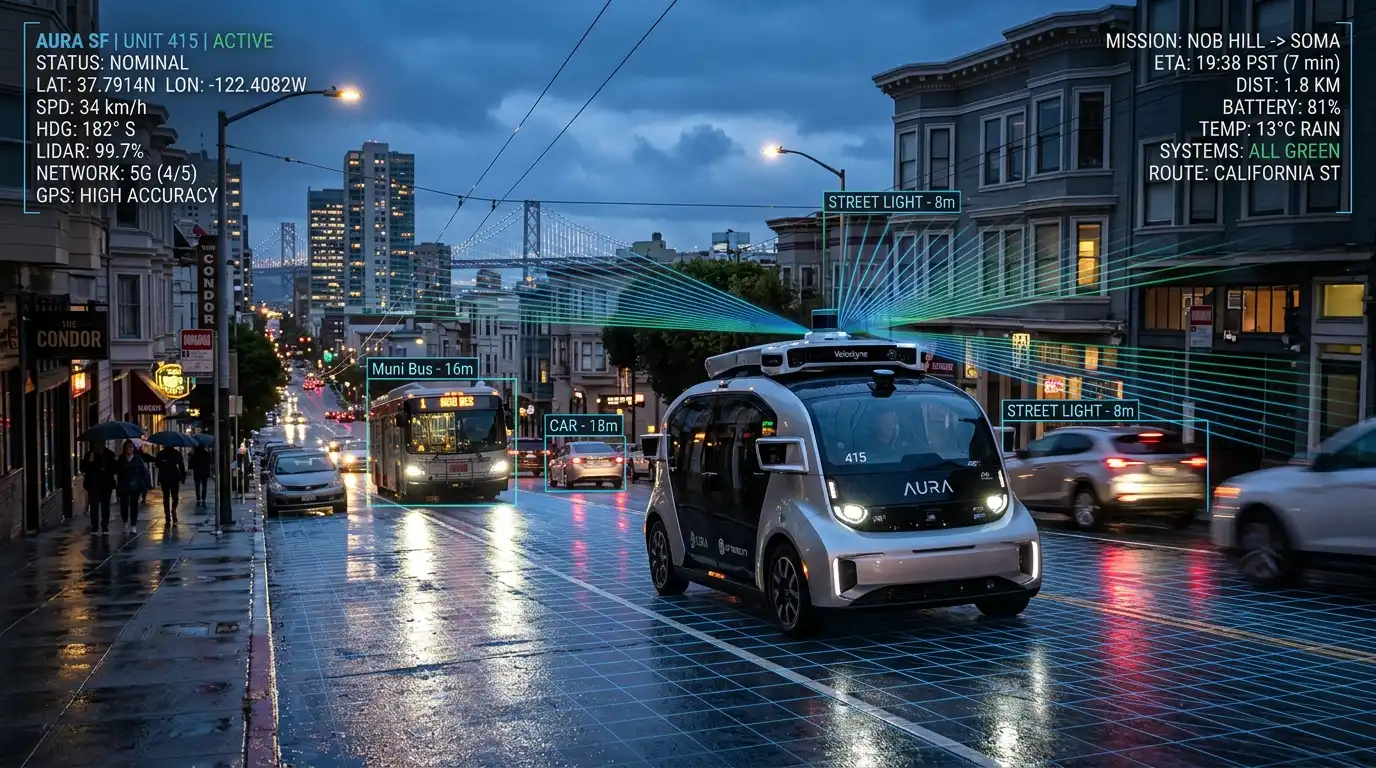
San Francisco has become the national epicenter for autonomous vehicles (AVs). From driverless Waymo robotaxis navigating steep hills to commercial AV fleets sharing dense corridors with pedestrians, autonomous transport is no longer a futuristic trial—it is a daily reality on Bay Area roads. However, as self-driving vehicles become routine, so do complex collisions involving sensor blind spots, sudden software stops, and unexpected system failures.
When a human-driven car collides with another vehicle, identifying fault usually centers on traditional negligence—such as speeding, distracted driving, or failing to yield. But when a driverless car causes an accident, there is no human operator behind the wheel to take immediate accountability. Determining autonomous vehicle liability in San Francisco requires navigating a complex combination of strict product liability, fleet operator negligence, and rapidly updating California traffic laws.
If you or a loved one has been injured in a collision involving a self-driving car or robotaxi, understanding who is legally responsible is the essential first step toward recovering financial compensation.
Who Is Liable in a San Francisco Robotaxi Crash?
In traditional personal injury litigation, the victim’s legal team targets the driver’s auto insurance policy. In an autonomous vehicle crash, liability shifts away from an individual motorist toward corporate entities, software engineers, and equipment manufacturers. Depending on the circumstances of the collision, multiple parties may share fault:
- The AV Operating Company: Corporations that deploy and manage autonomous fleets (such as Waymo) can be held directly liable for negligent operation, insufficient safety testing, poor fleet maintenance, or failure to issue necessary software patches after known defect reports.
- Autonomous Vehicle & Component Manufacturers: If a hardware failure—such as a defective LiDAR sensor, malfunctioning brake actuator, or faulty camera lens—caused the crash, the vehicle’s original equipment manufacturer (OEM) or third-party parts developer may face strict product liability claims.
- Software Developers & AI Integrators: Machine-learning algorithms make split-second driving choices. If an algorithm misinterprets a pedestrian crosswalk, misjudges a construction zone, or fails to recognize an emergency vehicle, the software developer can be held accountable for design defects.
- Third-Party Drivers: Not every AV crash is caused by the robotaxi. If another negligent human driver runs a red light or cuts off an autonomous vehicle, causing it to swerve into pedestrian traffic, the human driver remains a primary defendant under California’s comparative fault principles.
Legal Theories: Negligence vs. Strict Product Liability
Injury victims in San Francisco generally pursue compensation through two primary legal theories following an AV collision:
1. Strict Product Liability
Under California strict product liability law, manufacturers and developers can be held responsible for injuries caused by a defective product without the victim having to prove traditional carelessness. In self-driving car litigation, product defects fall into three primary categories:
- Design Defects: The autonomous system’s underlying software or perception architecture was inherently unsafe for urban driving conditions.
- Manufacturing Defects: A specific vehicle component was misassembled or damaged during production, leading to a system malfunction on the road.
- Failure to Warn (Marketing Defects): The company failed to provide adequate instructions, safety warnings, or operational boundaries regarding system limitations in extreme weather or complex urban scenarios.
2. Corporate Negligence
Claims rooted in negligence argue that the fleet operator or owner failed to exercise reasonable care in deploying, monitoring, or maintaining their vehicles. Examples include dispatching vehicles into dense fog, failing to maintain clean, calibrated sensors, or ignoring documented safety warnings from field technicians.
How California AB 1777 and New AV Regulations Impact Fault
California’s legal framework governing driverless transport is evolving rapidly to keep pace with the technology. A notable update is California Assembly Bill 1777 (AB 1777), which establishes mandatory safety standards for driverless vehicles across the state:
- Direct Manufacturer Citations: Law enforcement officers can directly issue citations to AV manufacturers when a driverless vehicle violates traffic laws, creating an official public record of fault.
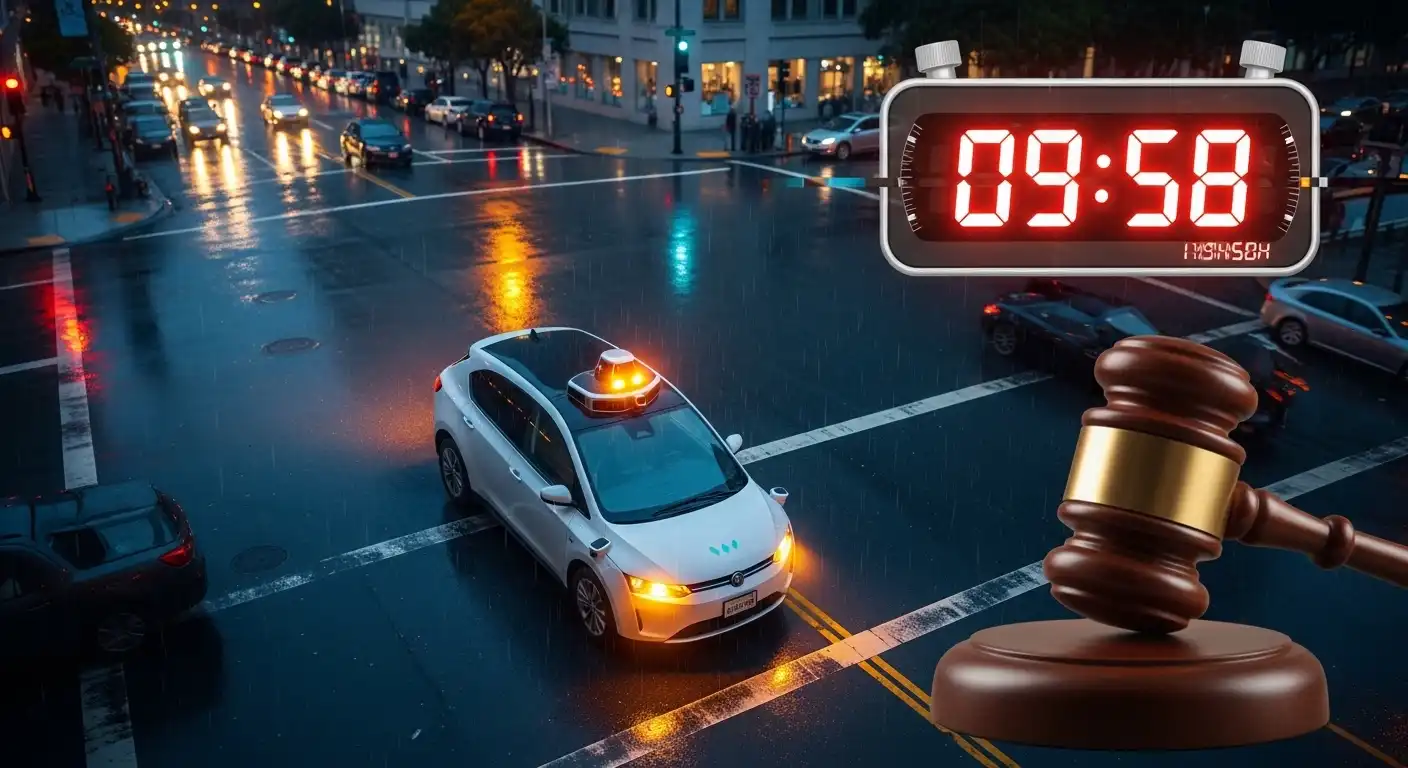
- Mandatory Emergency Response Line: Operators must maintain a dedicated emergency response system answered by a remote human operator within 30 seconds to assist first responders at accident scenes.
- Emergency Geofencing Compliance: Driverless vehicles must respond to official emergency geofencing directives by avoiding or exiting restricted disaster or accident zones within two minutes.
When police issue a citation to an AV manufacturer under California traffic codes, that citation can serve as vital evidence of negligence per se in a civil injury claim, helping establish that a violation directly led to the victim’s harm.
The Crucial Role of Telematics and “Black Box” Evidence
Unlike standard auto accidents—where proof often depends on eyewitness testimony and police reporting—robotaxi collisions generate massive amounts of digital data every second. Key evidence in an autonomous vehicle claim includes:
- 360-degree high-definition video camera recordings from inside and outside the vehicle
- LiDAR and radar point-cloud sensor recordings
- Telematics data showing precise speed, braking force, and steering inputs
- Remote operator intervention communications and system alert logs
Warning Regarding Data Retention: Autonomous vehicle companies routinely overwrite or purge onboard sensor logs as part of standard data-management protocols unless formally instructed otherwise. Injured victims must retain an experienced attorney immediately to send a formal Spoliation of Evidence Letter. This legal notice demands the immediate preservation of all raw sensor logs, telematics, and internal software data related to the incident.
Comparative Fault in California AV Claims
 California follows a pure comparative negligence system (Li v. Yellow Cab Co.). If you were partially at fault for an accident involving a driverless car—for instance, if you were jaywalking or changed lanes without signaling—you can still recover damages for your injuries. However, your total financial compensation will be reduced in proportion to your percentage of fault as assigned by a jury or insurance settlement agreement.
What Steps Should You Take After a San Francisco Robotaxi Collision?
If you are involved in a collision with an autonomous vehicle in San Francisco, protect your safety and your legal rights by taking these steps:
- Seek Immediate Medical Attention: Call 911 for emergency medical services. A formal medical evaluation documents the immediate link between the collision and your injuries.
- Contact Law Enforcement: Ensure San Francisco Police Department (SFPD) officers document the scene, list the autonomous vehicle manufacturer on the incident report, and note any traffic violations committed by the automated system.
- Capture Scene Evidence: Take photos and videos of all vehicle positions, damaged areas, road conditions, traffic signals, and visible onboard sensors (cameras/LiDAR pods) on the autonomous vehicle.
- Identify Witnesses: Gather contact details from bystanders, other motorists, or local business owners whose security cameras may have captured the incident.
- Avoid Signing Releases: Autonomous vehicle operating companies and their insurance adjusters may reach out quickly with early settlement offers. Do not sign releases or give recorded statements without consulting a attorney.
Protect Your Rights with a San Francisco Personal Injury Lawyer
Navigating an injury claim against major autonomous vehicle technology firms involves challenging well-funded corporate legal teams and deciphering complex digital evidence. If you have been injured in an autonomous vehicle or robotaxi accident in San Francisco, contact an experienced personal injury attorney today for a free evaluation of your case.