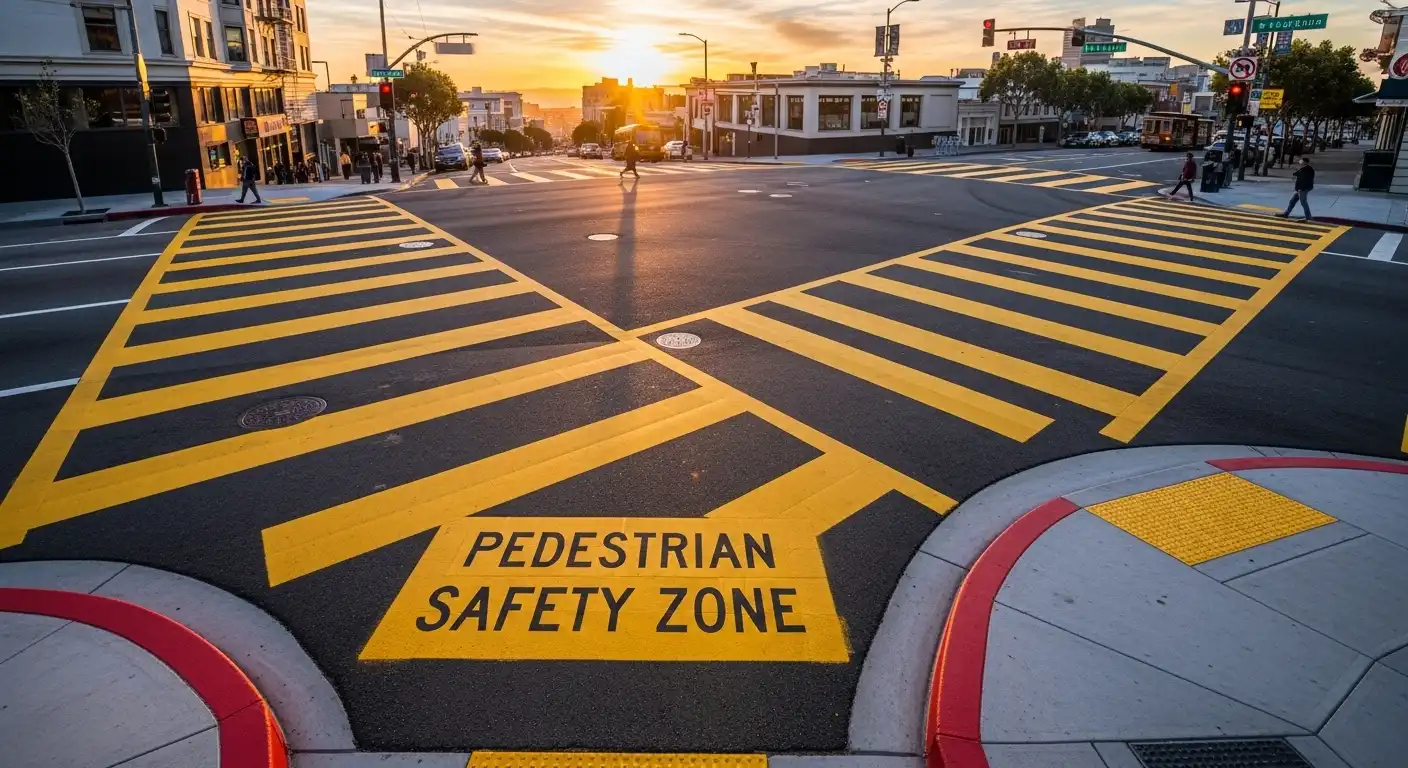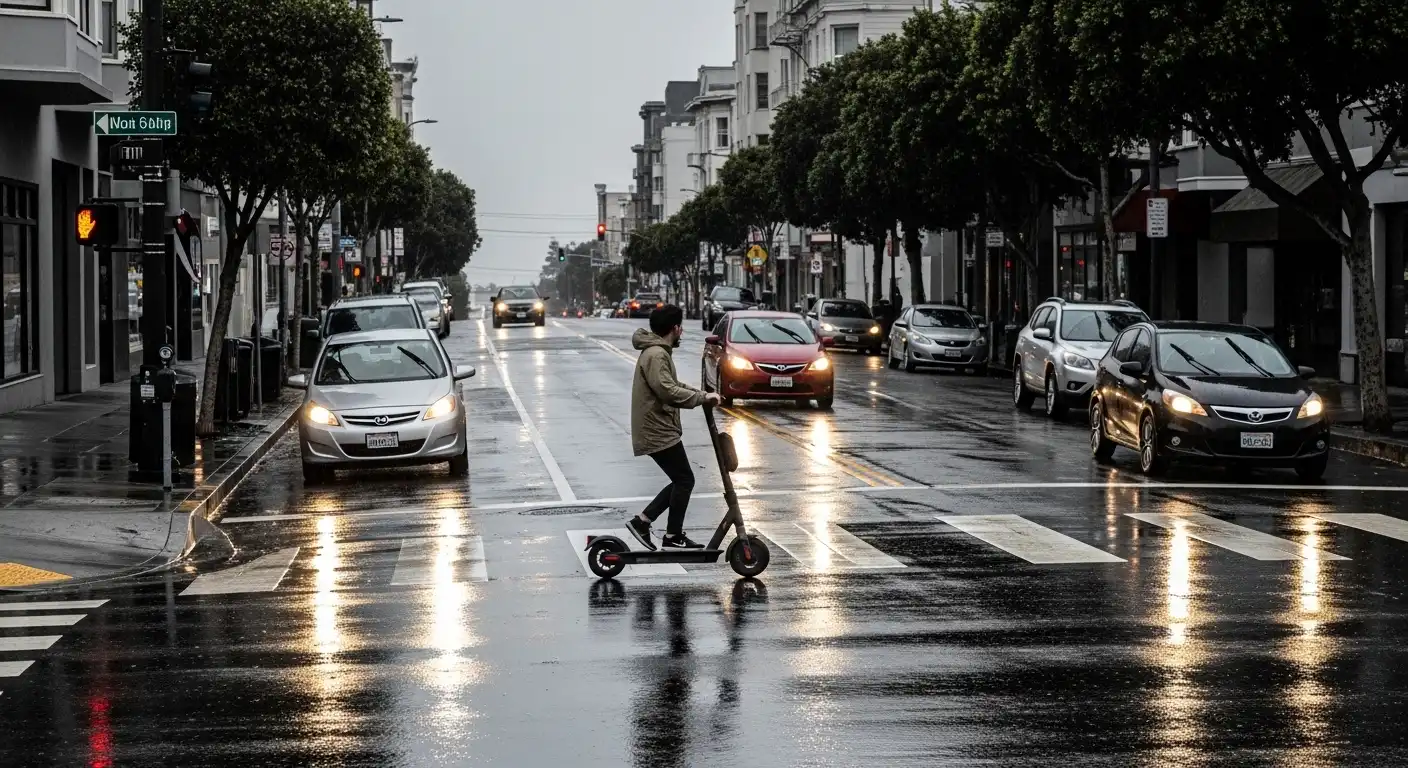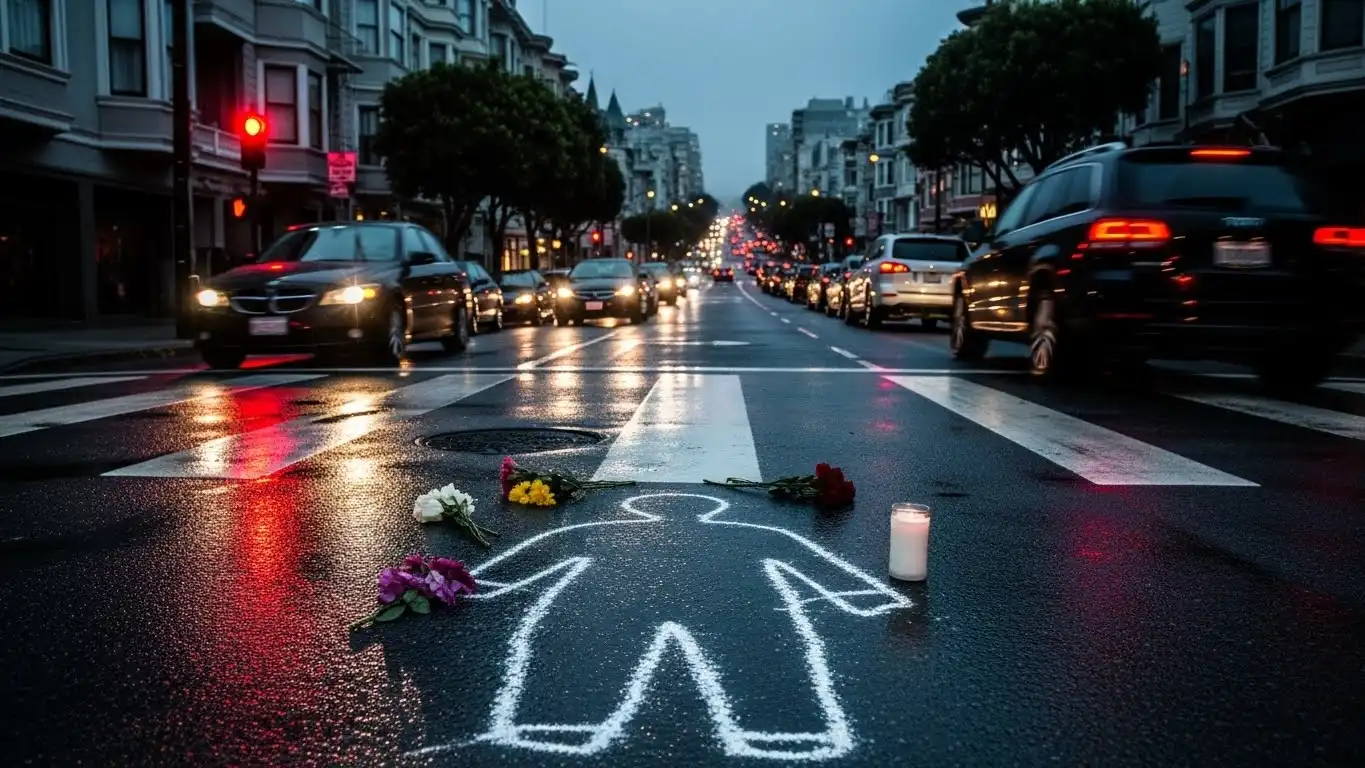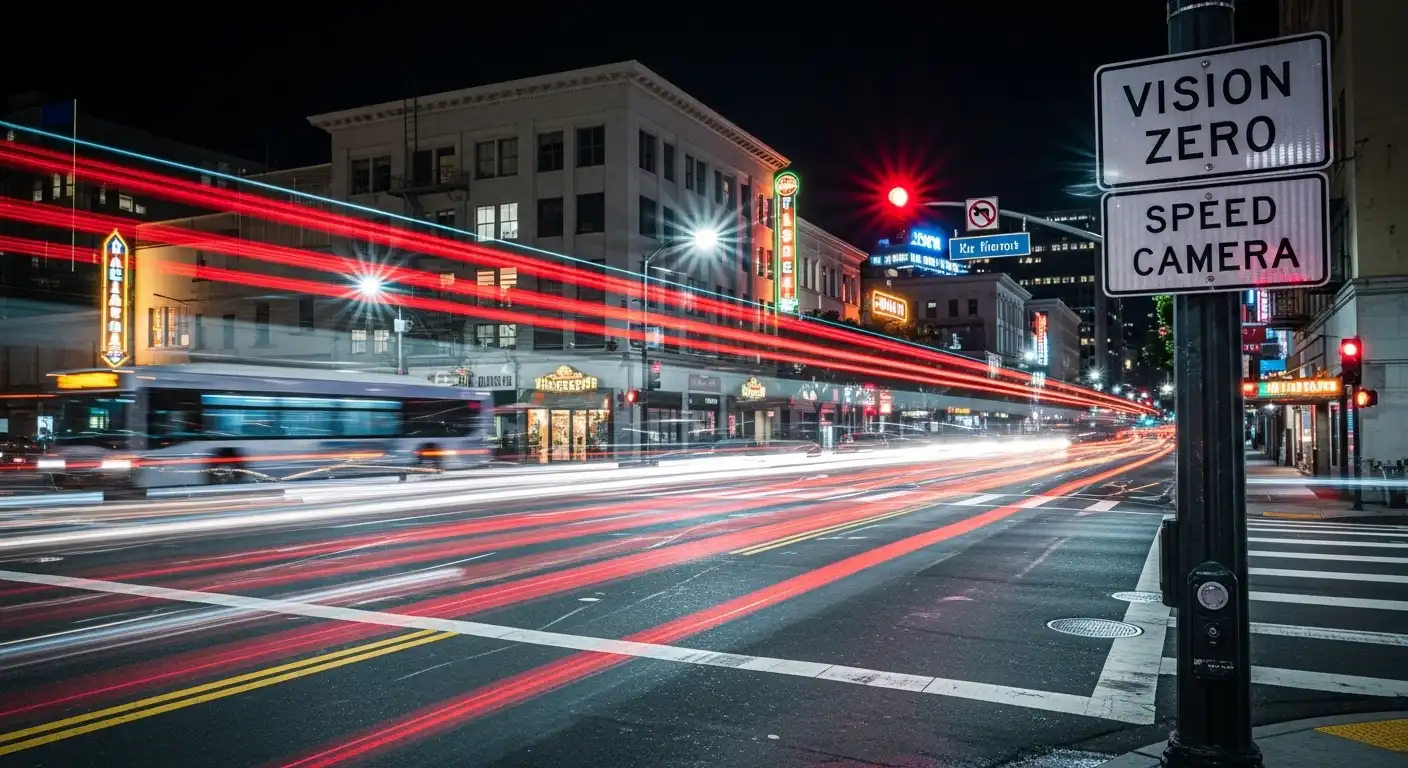
As of April 2026, San Francisco has reached a pivotal moment in its mission to end traffic fatalities. Mayor Daniel Lurie’s “Street Safety Initiative” recently hit its 100-day milestone, and with it comes the release of the 2024–2026 High-Injury Network (HIN). This data-driven map identifies the 12% of city streets where an overwhelming 75% of severe and fatal accidents occur.
If you or a loved one were injured on a street like Bayshore Boulevard, 19th Avenue, or Howard Street, your accident wasn’t just a random occurrence—it happened on a corridor the city has officially flagged as dangerous. Understanding the legal implications of the High-Injury Network is crucial for any San Francisco accident claim.
What is the San Francisco High-Injury Network (HIN)?
The HIN is a map created by the Department of Public Health that uses collision data from SFPD and Zuckerberg San Francisco General Hospital. For 2026, the network has been expanded to include new hotspots where speeding and red-light violations have spiked. The city uses this data to prioritize “Quick-Build” safety projects and the deployment of the new automated speed cameras that launched last year.
The Legal Impact: Proving Government Liability
 In a typical San Francisco car accident, the focus is on the negligence of the other driver. However, when an accident occurs on a designated High-Injury Corridor, there may be an additional layer of accountability: Government Liability.
Under California Government Code 835, a public entity may be liable for injuries caused by a “dangerous condition” of its property. By officially designating a street as part of the High-Injury Network, the city is essentially admitting it has notice that the street is unsafe. If the city failed to implement promised safety measures—like better lighting, “daylighting” at corners, or adjusted signal timing—you may have a claim against the City and County of San Francisco in addition to the negligent driver.
Recent 2026 Hotspots on the HIN:
- The SoMa Corridor: 7th and 8th Streets remain high-risk areas for pedestrians and cyclists.
- The Mission District: High volumes of “left-turn trap” accidents are being reported near 16th Street.
- The Richmond/Sunset: Geary Blvd and 19th Ave continue to see high-speed collisions despite recent modifications.
Automated Enforcement: A New Source of Evidence
 One major change in 2026 is the widespread use of speed and red-light cameras at 33 key HIN locations. For accident victims, this is a game-changer. In the past, proving a driver was speeding required costly accident reconstruction experts. Today, if your accident occurred near a camera-enforced intersection, that digital evidence can be subpoenaed to prove the defendant’s speed or signal violation with mathematical certainty.
Before you accept a settlement, it is vital to check if camera footage or city safety audits exist for that specific corridor. Our team specializes in documenting San Francisco crash sites to uncover this hidden evidence.
Steps to Take After an Accident on an SF High-Injury Street
- Identify the Intersection: Cross-reference your accident location with the Official 2026 HIN Map.
- Document the Infrastructure: Take photos of faded crosswalks, obstructed signs, or malfunctioning signals that may have contributed to the crash.
- Be Mindful of Deadlines: Claims against the city (Government Claims) must typically be filed within six months of the accident—a much shorter window than the standard two-year personal injury statute of limitations.
Conclusion: Holding the System Accountable
San Francisco’s High-Injury Network is a tool for safety, but it is also a record of the city’s unkept promises. If you were hurt on a street the city knew was dangerous, you shouldn’t have to carry the financial burden alone. At San Francisco Accident Lawyer, we hold both reckless drivers and the agencies responsible for our streets accountable.
Internal Link Suggestions: Ensure you link “new automated speed cameras” to your post on SF traffic tech, and “car accidents” to your main practice area page.