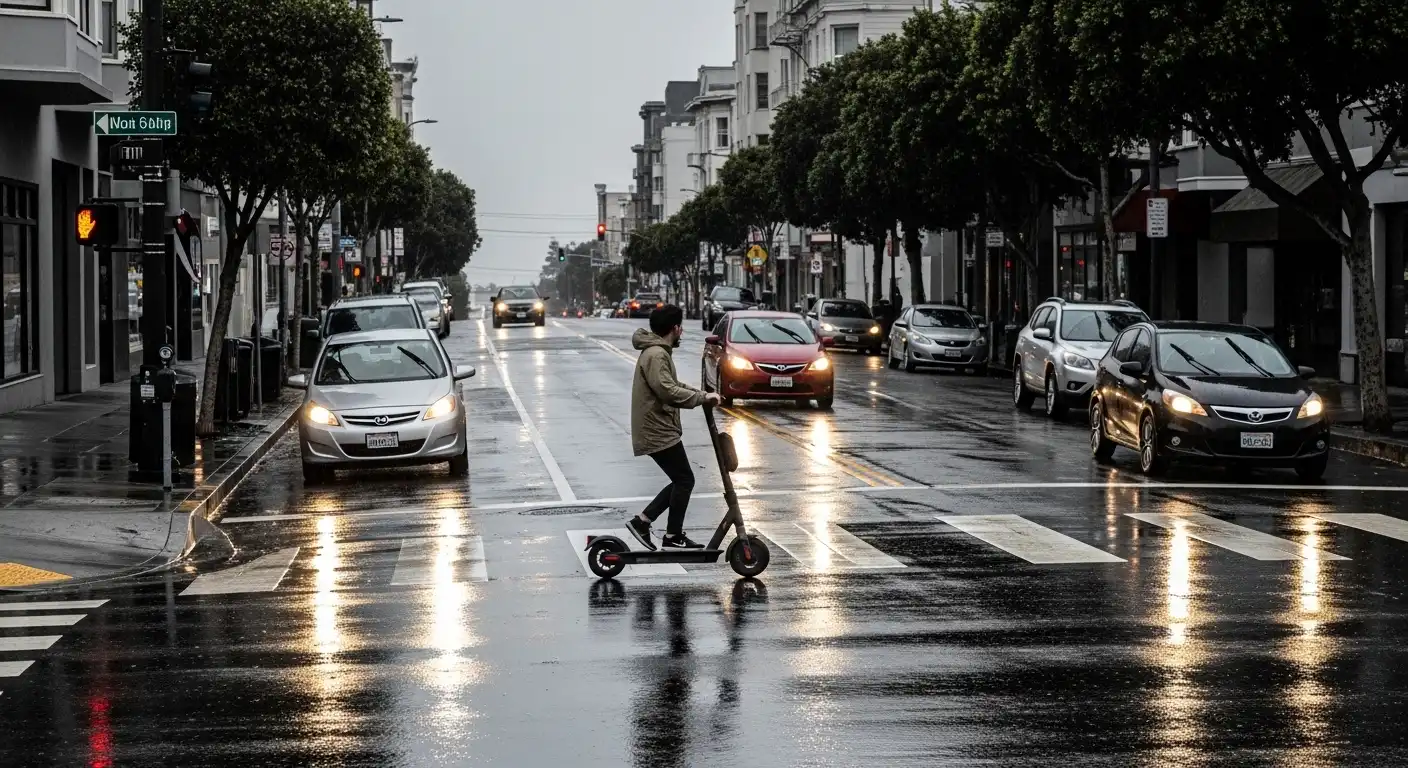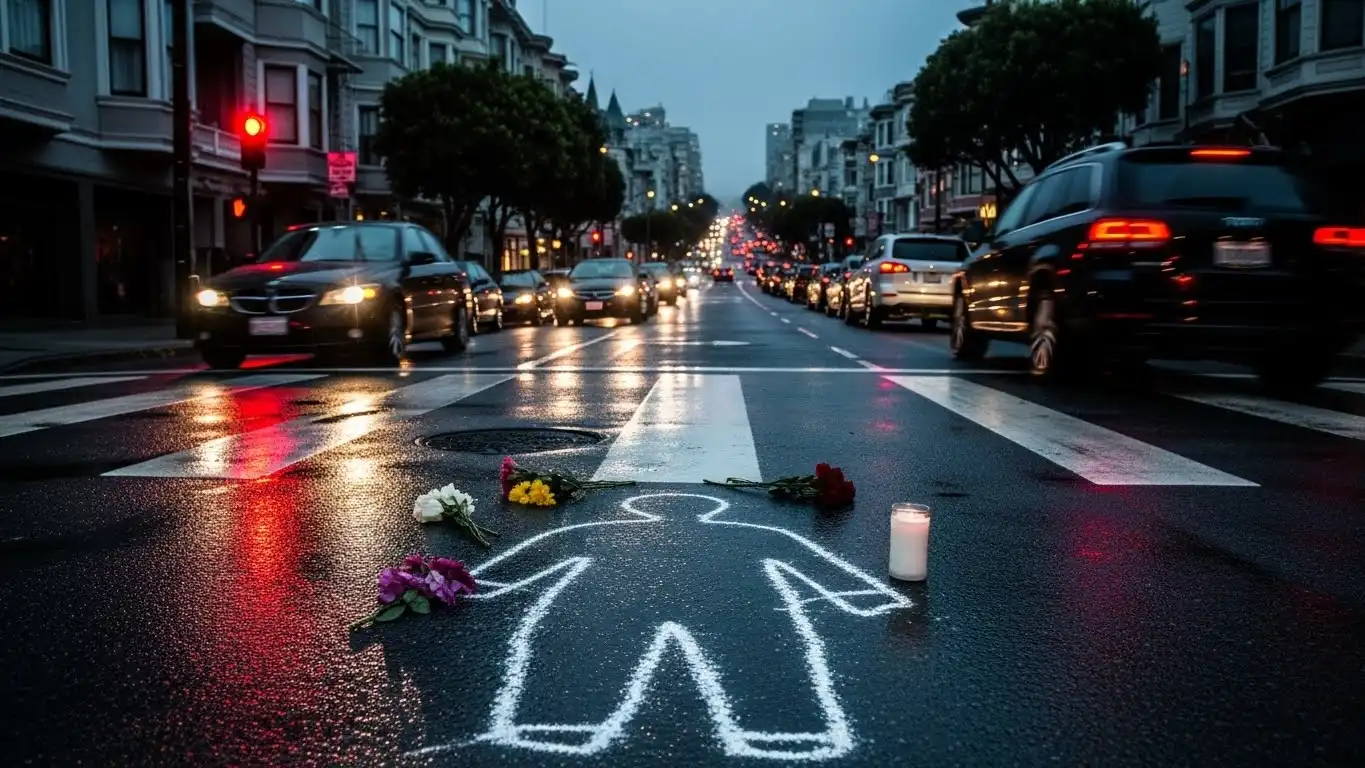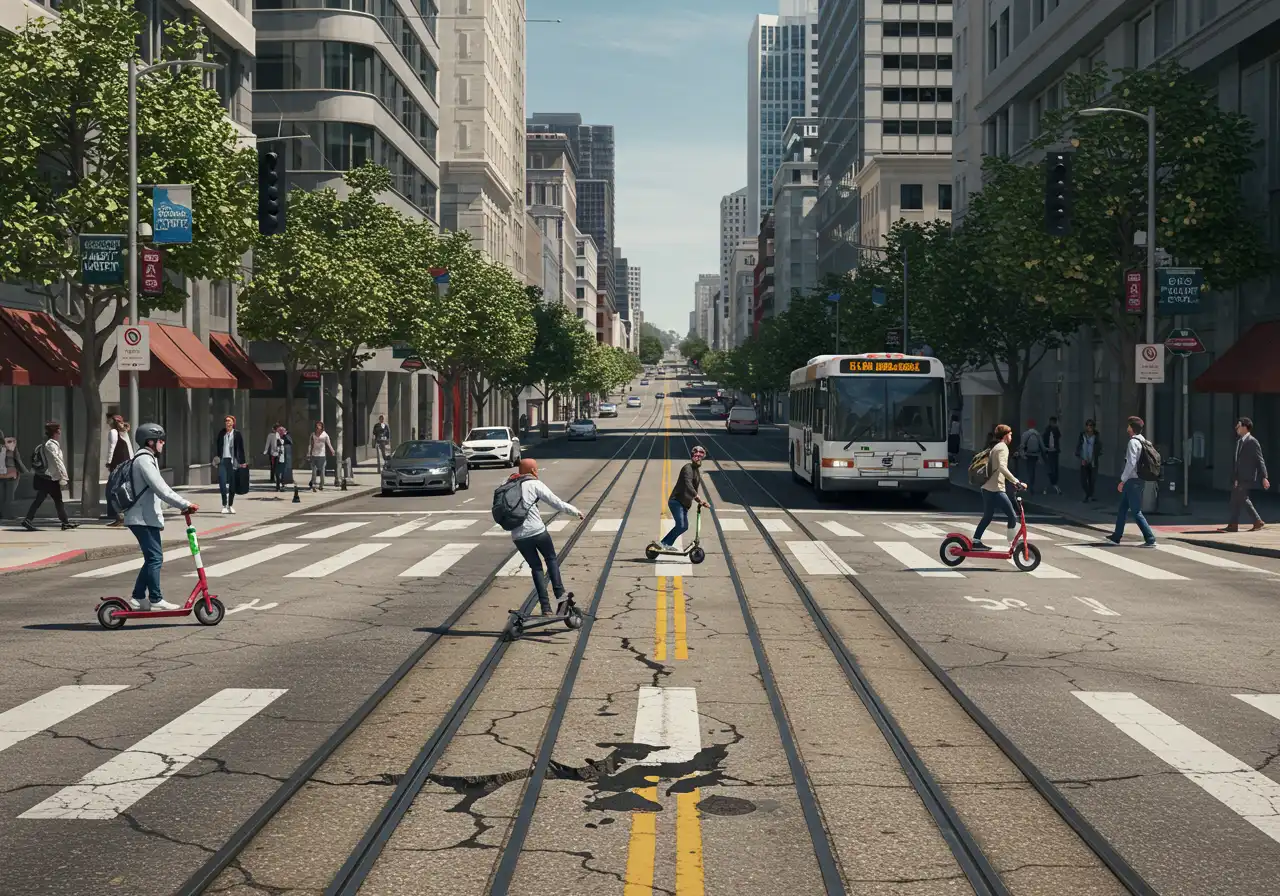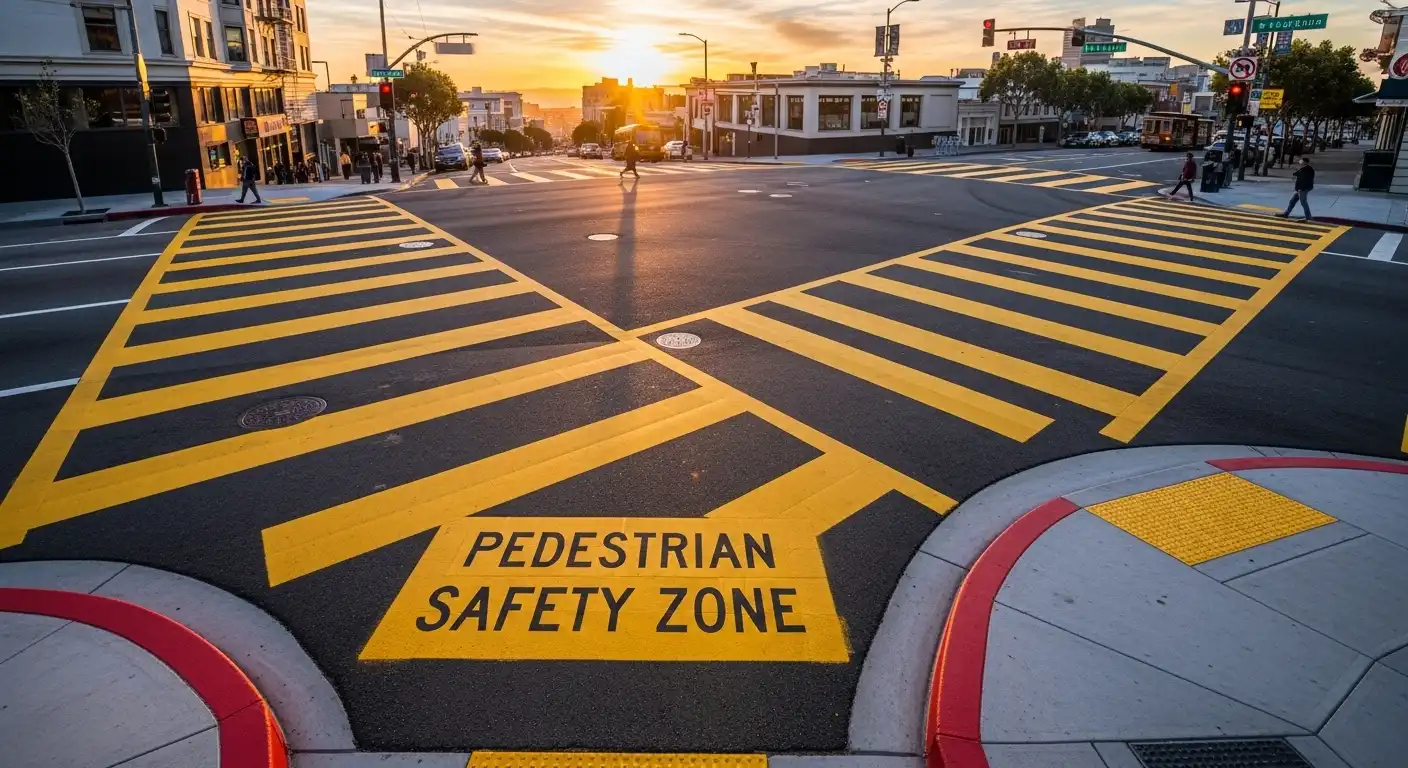
San Francisco is at a crossroads. As we move through the spring of 2026, a disturbing trend has emerged on our city streets. Despite a decade of “Vision Zero” pledges, the city is currently grappling with a San Francisco pedestrian safety crisis in 2026. While overall traffic fatalities saw a record drop in 2025, the early months of this year have been marked by a tragic surge in pedestrian-involved collisions, particularly in high-traffic corridors like the Mission District, SOMA, and the Sunset.
In response, Mayor Daniel Lurie has issued a sweeping Executive Directive—the Street Safety Initiative (Executive Directive 25-06). This aggressive plan aims to overhaul how the city designs, polices, and responds to street violence. But for those already injured, the question remains: How do these new 2026 initiatives and laws impact a personal injury claim?
The State of the 2026 Pedestrian Safety Crisis
 The data from the first quarter of 2026 tells a tale of two cities. On one hand, infrastructure improvements on streets like 19th Avenue and Geary have reduced high-speed “close calls” by nearly 50%. On the other hand, the sheer volume of delivery e-bikes, autonomous vehicles, and distracted driving has created a volatile environment for walkers.
Seniors and children remain the most vulnerable. Recent SFMTA reports indicate that while total crashes are down, the severity of pedestrian injuries is up. This is often attributed to the increasing weight of modern electric SUVs and the frequency of “left-turn” collisions at intersections that lack modern traffic-calming measures.
Understanding Mayor Lurie’s Street Safety Initiative
The Mayor’s 2026 initiative isn’t just a PR campaign; it’s a “Safe System Approach” that fundamentally changes the city’s legal and physical landscape. For accident victims, three pillars of this initiative are particularly relevant to establishing liability:
1. High Visibility Enforcement (HVE)
The San Francisco Police Department (SFPD) has launched a monthly High Visibility Enforcement campaign. These operations target the “Big Five” behaviors that cause 70% of fatal crashes: speeding, red-light running, failure to yield to pedestrians, stop sign violations, and distracted driving. If you were injured in a zone where HVE was active, police body cam footage and increased officer presence may provide vital evidence for your case.
2. The “Daylighting” Mandate
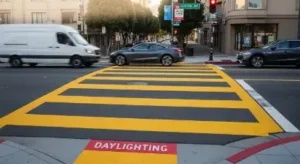
Under new 2026 mandates, the city has accelerated the removal of parking spaces within 20 feet of crosswalks (known as “daylighting”). By April 2026, the SFMTA has already completed upgrades at over 900 intersections. If you were struck at an intersection that the city knew required daylighting but failed to improve, there may be grounds for a government liability claim based on a dangerous condition of public property.
3. The Rapid Response Engineering Team
Perhaps the most significant change for 2026 is the creation of a Rapid Response Team. This team is now required to make engineering changes—such as adding speed humps or adjusting signal timing—within weeks of a fatal or severe injury crash. For victims, this team’s post-accident analysis can serve as a powerful record of the road’s inherent dangers.
New 2026 California Laws Impacting Pedestrian Claims
Beyond local initiatives, several new state laws went into effect on January 1, 2026, that directly influence how personal injury attorneys prove negligence:
- AB 544 (E-Bike Visibility): All e-bikes operating on SF sidewalks or roadways must now have rear red reflectors or flashing lights visible from 500 feet. If an e-bike rider strikes a pedestrian at night without these safety features, they are likely negligent per se.
- AB 1014 (Lowered Speed Limits): This law allows San Francisco to set 20 MPH speed limits on non-freeway highways in business and residential districts. Many “High Injury Network” streets are now officially 20 MPH zones. Proving a driver was going even 25 MPH in these areas is now proof of a statutory violation.
- SB 671 (Accessible Signals): New state-owned crossings must now feature touch-free Accessible Pedestrian Signals (APS). If a lack of these signals contributed to an accident involving a visually or hearing-impaired pedestrian, it creates a significant liability for the overseeing agency.
How the “Safe System Approach” Affects Liability
Historically, insurance companies tried to pin 100% of the blame on the driver or the pedestrian. In 2026, the “Safe System Approach” acknowledges that human error is inevitable, but the road system should prevent that error from being fatal.
In a legal context, this means we are looking more closely at:
- Signal Timing: Did the pedestrian have a “Leading Pedestrian Interval” (LPI) head start?
- Automated Speed Enforcement: Did a city-monitored speed camera capture the defendant’s velocity at the moment of impact?
- Vehicle Safety Features: In cases involving autonomous vehicles or corporate fleets, were the sensors and emergency braking systems functioning according to the updated 2026 DMV safety standards?
Steps to Take After a Pedestrian Accident in San Francisco
 If you are a victim of the 2026 pedestrian safety crisis, the steps you take in the first 48 hours are critical:
- Request the “Major Accident” Data: Under the new initiative, the city tracks “Serious Injuries” with more granular data. Ensure your accident is categorized correctly by the SFPD to trigger a Rapid Response Team review.
- Check for Speed Camera Footage: With the expansion of the city’s camera network in early 2026, there is a higher chance your accident was caught on a city-managed automated enforcement camera.
- Identify the “High Injury Network” Status: Was your accident on a street identified in the 2024-2026 High Injury Network map? This status proves the city had “constructive notice” that the area was dangerous.
- Consult a Specialist: Navigating a claim against a driver is one thing; navigating a claim that involves the City and County of San Francisco’s infrastructure requires a San Francisco accident lawyer who stays current on these 2026 legislative shifts.
Conclusion: Holding the City and Drivers Accountable
The 2026 pedestrian safety crisis is a tragedy, but the new tools provided by Mayor Lurie’s Street Safety Initiative and California’s updated mobility laws offer a path to justice for victims. We aren’t just looking at who hit whom; we are looking at why the system failed to protect you.
If you or a loved one has been injured while walking in San Francisco, don’t let an insurance company tell you it was “just an accident.” Our firm utilizes the latest city data, signal timing reports, and 2026 safety mandates to build the strongest possible case for your recovery.